Pneumatic Butterfly Valve Failures: Analysis and Solutions
Pneumatic butterfly valves are widely used control components in industrial pipeline systems, serving industries such as chemical processing, power generation, water treatment, food production, and pharmaceuticals. Driven by a pneumatic actuator, the butterfly disc rotates to open, close, and regulate flow within the pipeline. Although their structure is relatively simple, various faults of pneumatic butterfly valves may occur during long-term operation. Understanding the symptoms, root causes, and corrective measures of common failures is essential for ensuring production safety and extending equipment service life.
After reviewing installation standards and routine maintenance practices, it is important to examine the faults that may arise during actual operation. Even with proper maintenance, factors such as medium characteristics, operating conditions, and natural component aging make failures difficult to avoid over time.
Accurately identifying the type of fault and implementing effective corrective actions are critical to maintaining production continuity. The following sections systematically outline the most common failure phenomena, causes, and solutions from three key perspectives: sealing performance, operational performance, and indication functionality.
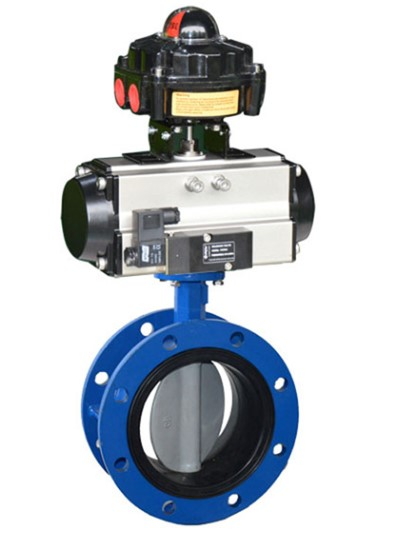
Sealing problems are among the most frequent faults and are typically manifested as leakage even after the valve is fully closed.
- Cause Analysis: Damage to the sealing surface is the primary cause. Over time, the sealing surface may suffer wear, corrosion, and erosion from the medium, or be struck by solid particles, resulting in unevenness or surface defects. Once the sealing surfaces cannot fully contact each other, leakage occurs. Aging of the gasket is another common issue. Gasket materials gradually lose elasticity during long-term service or may become twisted due to improper installation, leading to sealing failure. A bent valve stem can cause improper alignment between the disc and the seat, preventing effective sealing even if the sealing surfaces remain intact. Poor installation quality may also result in leakage, if the valve body is not concentric with the pipeline, uneven force is applied during closure, causing localized overpressure and inadequate contact.
- Solutions: Repair or replace damaged sealing surfaces based on the severity of the damage. Minor scratches can often be corrected using specialized lapping tools and compounds, while severe damage requires replacement of the disc or seat. Failed gaskets should be replaced directly, ensuring they are installed flat and without distortion. Bent valve stems must be straightened or replaced, followed by a straightness inspection to confirm compliance with precision requirements. If misalignment is detected, reposition the pipeline to ensure the valve body is concentric within acceptable tolerances.
Sluggish operation is characterized by slow opening or closing speeds, or sticking during travel.
- Cause Analysis: Insufficient air supply pressure is the most direct cause, as pneumatic actuators require adequate pressure to generate sufficient driving force. Air quality is equally important, excess moisture, oil, or solid contaminants in compressed air can block air passages or interfere with pneumatic components. In winter, frozen moisture may completely obstruct the air circuit. Adhesion can occur when impurities or oily residues accumulate on the valve core and sealing surfaces, forming deposits that hinder movement. Foreign objects such as welding slag, rust, or fragments of sealing material may also enter the valve and jam the disc. Mechanical wear of transmission components, gears, bearings, and similar parts, can enlarge clearances, increase friction, and reduce transmission efficiency.
- Countermeasures: Check the air supply system and adjust the pressure to the normal operating range of 5–6 kg (approximately 0.5–0.6 MPa). Inspect air lines for leaks to ensure stable pressure delivery to the actuator. Improve air quality by installing filter regulators and lubricators upstream of the valve, and regularly drain accumulated water from air tanks and pipelines. Adhesion issues can be addressed through periodic cleaning and lubrication, thoroughly clean sealing surfaces and stems and apply appropriate grease. Remove foreign objects by disassembling the valve if necessary, and consider installing filters upstream to prevent recurrence. Worn mechanical components should be replaced promptly, followed by lubrication and readjustment of the transmission mechanism.
This is a serious failure that may cause the valve to lose control capability.
- Cause Analysis: Seizure may result from debris accumulation, rust bonding, or crystallized medium between the sealing surface and the disc. After prolonged compression in the closed position, these factors can create a firm bond that prevents rotation. Valve stem damage is another key cause; stems may bend under overload or fracture due to fatigue, interrupting power transmission from the actuator. Transmission device failures, such as cylinder air leakage, piston seizure, loose linkages, or worn or broken gears, can also immobilize the disc.
- Methods: First determine the severity and cause of the seizure. Minor sticking may be relieved by repeatedly actuating the valve, while severe cases require disassembly for cleaning and repair. Damaged stems must be replaced, ensuring the connection between the stem and disc is secure. Inspect the transmission system step by step: verify actuator airtightness, test piston movement, check linkage tightness and clearances, and examine gear wear and meshing conditions. Replace any damaged components immediately.
Unusual noise during operation often serves as an early warning of internal problems.
- Causes: Transmission issues are a major source of noise. Gear wear, bearing damage, loose components, or inadequate lubrication can produce impact or friction sounds. Worn sealing surfaces may allow high-speed flow through gaps, generating whistling or cavitation noise. Unstable air supply, pressure fluctuations, blocked hoses, or leaks, can also cause turbulence and vibration.
- Solutions: Inspect or replace faulty transmission components and improve lubrication. If sealing surface wear is responsible, repair or replace the surfaces to restore tight shutoff. For air supply issues, stabilize the supply system and eliminate pressure fluctuations and leakage points.
For valves equipped with position indicators, inaccurate readings can lead to operational misjudgment.
- Cause Analysis: Loose mechanical connections are a common reason. If the link between the indicator and valve stem loosens, lost motion may occur, causing delayed or inaccurate readings. The indicator itself may also be damaged—bent pointers, shifted dials, or malfunctioning electronic displays can all produce incorrect data. Improper installation of position feedback devices such as potentiometers or encoders may prevent synchronization with the stem.
- Solutions: Tighten all mechanical connections and install anti-loosening washers or locking devices when necessary. Repair or replace damaged indicators, and for electronic units, verify circuit connections and signal transmission. Reinstall and calibrate feedback devices to ensure accurate transmission ratios and synchronized rotation without slippage.
Although pneumatic butterfly valves are robust, regular maintenance is essential for extending service life. Establishing standardized inspection and maintenance systems can effectively prevent failures.
While daily inspection is unnecessary, scheduled checks by qualified personnel are essential. Key inspection items include:
- Operational status: Confirm smooth opening and closing without sticking
- Corrosion assessment: Pay special attention to valves handling chemical media
- Noise monitoring: Abnormal sounds often indicate internal wear or looseness
- Sealing tests: Check for leakage when the valve is closed
- Blockage inspection: In applications such as hydropower plants, ensure no debris accumulates near the valve position
For manually operated butterfly valves with frequent cycling, open the worm gear box approximately every two months to inspect grease condition. Maintain an appropriate amount, too little leads to inadequate lubrication, while too much increases agitation resistance and heat generation.
Check the tightness of all connections. Packing gland bolts should be evenly tightened to ensure sealing while allowing flexible stem movement. Excessive compression restricts motion and accelerates packing wear, whereas insufficient compression results in leakage.
In addition to routine cleaning, periodically verify valve performance. When possible, use professional testing equipment to ensure all performance parameters meet operational requirements.
Proper management during long-term storage helps maintain valve performance for future use. Store valves indoors in a dry, well-ventilated environment, avoiding outdoor exposure or humidity. Seal both ends to prevent dust and debris from entering.
Ball valves should be stored in the open position, while pneumatic butterfly valves should remain closed to protect sealing surfaces from deformation. Conduct periodic inspections, clean exposed machined surfaces, remove contaminants, and apply anti-rust oil.
Beyond post-failure repairs, establishing a predictive maintenance mechanism is even more important. By monitoring performance trends, potential risks can be identified before failures occur, allowing preventive action.
Maintain detailed valve service records documenting inspections, repairs, and replacements. Analyze failure patterns to optimize maintenance intervals and procedures. For valves in critical positions, consider installing online monitoring devices to track operating conditions in real time.
Preventing and maintaining pneumatic butterfly valve failures is a systematic undertaking that involves proper selection, standardized installation, routine maintenance, and timely repair. Only by establishing a comprehensive maintenance management system and strictly following operating procedures can the valve's performance be fully utilized, its service life extended, and the safe, stable operation of production systems ensured. For operating organizations, training skilled maintenance personnel and equipping them with the necessary tools and spare parts are equally important for guaranteeing reliable equipment performance.