How to Choose the Right Plug Valve for Your Projects
In industrial piping systems, plug valves are widely used fluid control devices. They find applications in industries such as oil and gas, chemical processing, water treatment, and power generation. However, the market offers a wide variety of plug valves, and different models vary significantly in material, structure, sealing method, and operating conditions. Selecting an inappropriate valve can lead to leakage, difficult operation, reduced service life, and even safety hazards.
Many users overlook critical factors during selection, such as the corrosiveness of the medium, pressure fluctuations in the system, and maintenance frequency. These factors directly affect whether the valve can operate reliably over the long term. Therefore, before purchasing a plug valve, it is essential to have a systematic understanding of its working principle and selection criteria.
This article will first explain the basic working principle of plug valves in simple terms. It will then detail the key factors to consider during selection, including application requirements, flow rate, pressure, temperature, valve type, material, connection method, and actuation method. Next, the article introduces several common plug valve types, highlighting their characteristics and suitable operating conditions. Finally, a concise summary of valve selection will provide practical guidance to help you choose the most appropriate plug valve for your specific needs.
Before selecting a plug valve, it is crucial to understand how it works. This knowledge forms the foundation for making informed decisions during selection.
Plug valves are classified as quarter-turn valves. Their core component is a cylindrical or conical plug with one or more passages or ports. When the valve stem is rotated, the plug rotates correspondingly. If the ports on the plug align with the pipeline, the fluid can flow through smoothly. Rotating the plug 90 degrees positions the ports perpendicular to the pipeline, effectively stopping the flow.
This simple on/off mechanism makes plug valves easy to operate and quick to respond. The valve’s simple structure, with few components, contributes to durability. Additionally, plug valves offer reliable sealing performance, effectively preventing fluid leakage. These characteristics make them a dependable choice in many industrial applications.
After understanding the working principle, the next step is practical selection. Choosing a plug valve involves more than simply picking a size; multiple factors must be assessed to ensure optimal performance. Below are the six critical factors to consider:
The first factor is the specific application. Different media have varying properties, which must be considered in terms of viscosity, corrosiveness, and temperature:
- Viscosity: High-viscosity media require larger passages; otherwise, blockage may occur.
- Corrosiveness: Corrosive fluids necessitate valves made from corrosion-resistant materials. Common choices include stainless steel and Hastelloy, both offering excellent resistance.
- Temperature: Both high and low temperatures affect valve material performance. Ensure the selected valve can operate under actual temperature conditions.
Flow rate is the second consideration and directly influences valve sizing.
If the valve is too small, it restricts flow and causes insufficient throughput. Oversizing, however, not only increases procurement cost but can also reduce system efficiency. The correct approach is to select a valve with a nominal diameter matching the pipeline and design flow rate.
The third factor is the valve’s pressure rating. The plug valve must withstand the system’s maximum operating pressure.
Beyond normal operating pressure, potential fluctuations or water hammer events must also be considered. Ensure the valve’s rated pressure exceeds the system’s peak pressure, leaving a suitable safety margin.
Fourth, consider the temperature range. Both fluid and ambient temperatures affect valve performance.
High temperatures can soften or deform sealing materials, while low temperatures can make some materials brittle. Different valve models are designed for specific temperature ranges. Some are suitable for high-temperature environments, such as steam pipelines, while others are designed for low-temperature conditions, like refrigerated or liquefied gas systems. Matching the valve to actual operating temperatures is essential.
Fifth, determine the type of plug valve needed. Each type serves particular operating conditions:
- Lubricated plug valves: Reduce friction between plug and body using injected lubricant. Suitable for media containing solids or abrasive particles. Requires periodic lubrication and limited operation cycles.
- Non-lubricated plug valves: Use self-lubricating materials like PTFE, eliminating the need for added lubricant. Ideal for clean fluids with low maintenance requirements.
- Eccentric plug valves: Feature an off-center plug design. The plug contacts the seat only when fully open or closed, significantly reducing wear. Ideal for abrasive media such as wastewater, slurry, or pulp.
- Multi-port plug valves: Have three or more ports, allowing fluid direction to switch between different pipelines. Suitable for complex flow control systems in chemical plants.
Valve material directly affects service life and safety. Common materials include:
Material | Advantages | Typical Applications | Limitations |
Cast iron | Low cost, moderate strength | General conditions, non-corrosive fluids | Not corrosion-resistant, unsuitable for high temperatures |
Stainless steel | High corrosion resistance | Corrosive media, hygienic applications | Higher cost |
Brass | Lower cost | Low-pressure, small valves | Limited pressure and corrosion resistance |
Hastelloy | High temperature and corrosion resistance | Chemical and petrochemical industries | Expensive |
Plug valves connect to pipelines through three common methods:
- Flanged: Flanges at both ends are bolted to pipeline flanges. Easy installation and reliable sealing. Most common.
- Threaded: Internal or external threads screw directly into the pipeline. Suitable for small-diameter, low-pressure systems; flexible installation.
- Welded: Permanently welded to the pipeline. Excellent sealing, suitable for high-pressure applications. Requires professional welding and is difficult to disassemble.
Finally, consider how the valve is operated:
- Manual: Handwheel or lever directly rotates the plug. Simple, low-cost, suitable for infrequent operation.
- Electric: Motor-driven plug rotation. Suitable for remote control or automated systems.
- Pneumatic: Compressed air drives the plug. Fast operation, suitable for frequent cycling.
- Hydraulic: Hydraulic oil provides operation force. Ideal for large-diameter or high-pressure valves.
Understanding general selection criteria is helpful, but knowing the specific valve types is equally important. Below are several commonly used plug valves, each suited to different operating conditions:
Simple and economical, widely used for medium- and low-pressure on/off and throttling applications. The cylindrical or conical plug rotates inside a sleeve, achieving tight shutoff with minimal torque. Suitable for liquids or gases under temperatures up to ~79°C and pressures up to 500 psi. Sleeves can be made of carbon steel, stainless steel, alloy steel, or cast iron. For corrosive media, PTFE or UHMW polyethylene linings are available. Cost-effective and versatile, this type is common across industries.
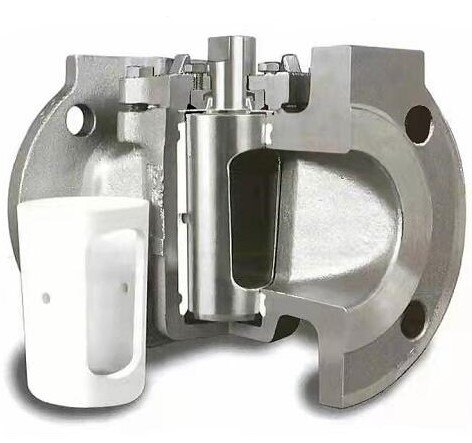
Ideal for large-diameter, high-pressure, and high-temperature conditions. Features a pressure-balancing piston isolated from the fluid by a bellows seal, reducing operating force even in large valves. The inverted plug design exposes both sides to line pressure, preventing pressure lock. Suitable for liquids, gases, and steam, providing bubble-tight shutoff at pressures up to 1500 psi and temperatures up to ~760°C. Special alloy materials allow even more extreme conditions.
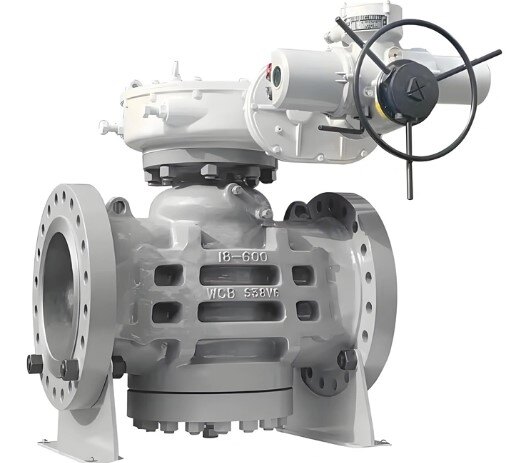
Uses an eccentric rotating disc to regulate flow in steps over a 175° range, providing precise control. Ideal for looped piping systems. Typically constructed from carbon steel or stainless steel with preloaded packing. Excellent for frequent throttling applications. Extended plug stems allow automated and remote operation.
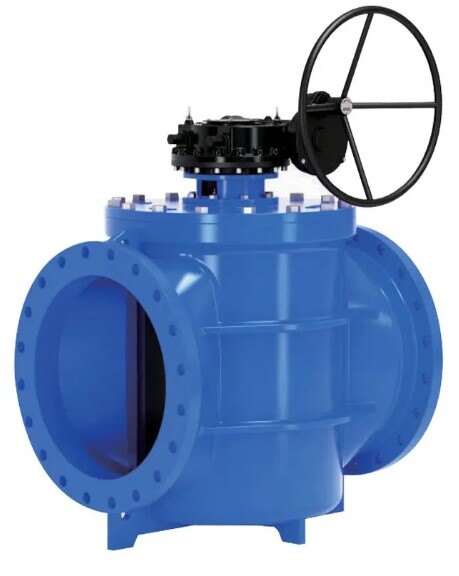
Features multiple components allowing mechanical expansion, enabling dual-block-and-bleed functionality. The plug rotates between open and closed positions without contact between the body and seals. Upon closure, sliders expand into the seat to protect the seal from wear. Often used in applications requiring contamination prevention.
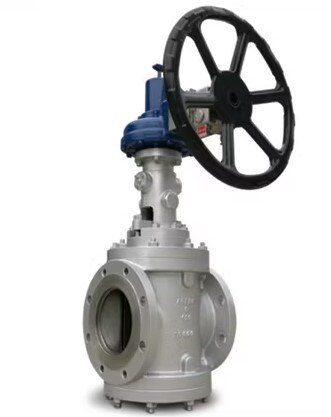
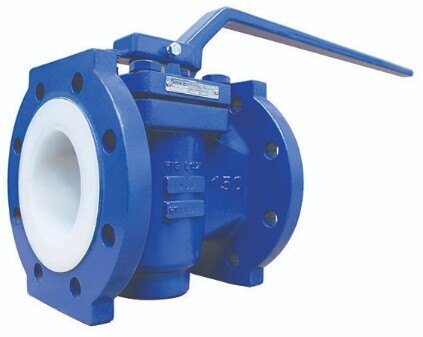
Fully polymer-lined valves ensure only the medium contacts the polymer, not metal. Suitable for highly corrosive media such as strong acids, bases, or oxidizers. Moderate operating torque but no fire-safe versions currently available.
Incorporates an internal bypass valve to equalize pressure before opening, reducing operating torque. Suitable for high-pressure gas and compression stations. However, valve body and stem design are more complex.
Based on the analysis above, recommended plug valve types for different conditions include:
- High-wear or high-temperature media: Lubricated plug valve with metal-to-metal seat; requires periodic lubrication.
- Clean fluids with low maintenance: Non-lubricated plug valve; self-lubricating materials like PTFE reduce maintenance, typically limited to ≤200°C and ≤40 bar.
- Abrasive slurries, wastewater, mining tailings: Eccentric plug valve; off-center design minimizes seat wear, extending service life.
- Highly corrosive media (strong acids/bases): Lined plug valve; polymer lining protects metal components.
- High-pressure gas: Pressure-balanced plug valve; bypass design reduces operating torque.
By systematically analyzing operating conditions and selecting the appropriate valve type, material, connection, and actuation method, reliable flow control and safe isolation can be achieved in various industrial piping systems. It is recommended to consult valve suppliers or technical experts before final selection, combining specific parameters with practical requirements to ensure optimal choice.
