Choosing Between Metal and Plastic Valves: Material Comparison
Selecting the appropriate valve material is one of the most critical decisions in designing industrial piping systems. Valves serve as essential control elements, regulating flow, pressure, and isolation in a variety of processes. However, improper material selection can lead to premature valve failure, chemical corrosion, reduced system efficiency, and increased maintenance costs. This guide offers a comprehensive comparison between metal and plastic valves, examining their performance characteristics, durability, lifecycle costs, and typical applications. By understanding these factors, engineers and facility managers can make informed decisions tailored to their specific operating conditions.
Metal valves are widely used in industrial systems due to their superior strength, temperature tolerance, and durability. The most common metals include stainless steel, brass/bronze, and carbon steel.
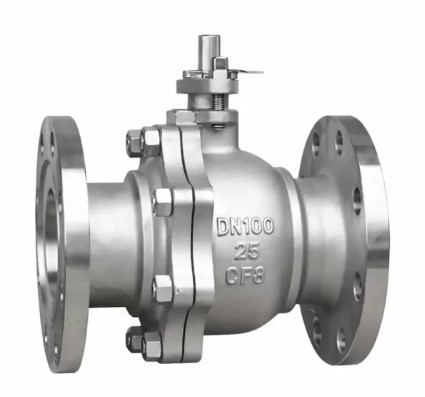
Stainless steel is the most prevalent metal for industrial valves, with 304 and 316 grades being particularly common. 316 stainless steel includes molybdenum, which significantly improves resistance to chloride corrosion, making it ideal for harsh chemical environments, marine applications, and seawater systems. Stainless steel valves can operate under high temperature and pressure, maintaining structural integrity in steam systems, chemical plants, and oil & gas pipelines. They are often used in critical applications where safety, reliability, and long service life are required.
Brass and bronze valves are known for excellent machinability, thermal conductivity, and moderate corrosion resistance. These valves are commonly used in HVAC systems, potable water lines, and low-pressure fluid control applications. Brass valves perform well in water-based systems but may experience stress corrosion cracking in environments containing ammonia, chlorine, or other aggressive chemicals. Their moderate strength and ease of installation make them suitable for domestic and light industrial uses.
Carbon steel valves offer high strength and a relatively low cost compared to stainless steel. They are commonly deployed in general industrial pipelines where corrosion resistance is not the primary concern. Carbon steel can be treated with galvanization, epoxy coatings, or painting to improve rust resistance. These valves are widely used in steam, air, and gas distribution systems, as well as in non-corrosive chemical environments.
Plastic valves have grown in popularity due to their corrosion resistance, lightweight design, and cost-effectiveness. They are primarily made from thermoplastic materials such as PVC, CPVC, polypropylene (PP), and PVDF.
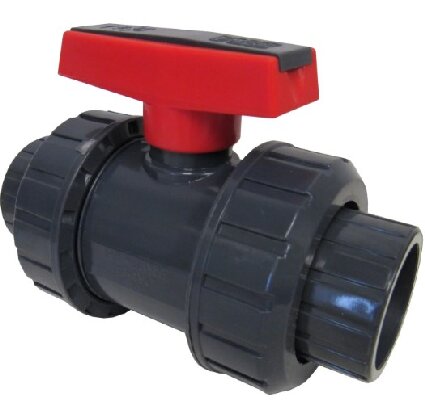
PVC valves are the most economical plastic option and are ideal for water-based systems with temperatures below 60°C. Their smooth interior surface reduces flow resistance, prevents scaling, and minimizes pressure loss. PVC valves are widely used in water distribution, irrigation systems, and pool water control due to their affordability and chemical stability in neutral water systems.
CPVC is a modified PVC material that provides higher temperature resistance, allowing operation up to approximately 93°C. CPVC valves are commonly used in hot water systems, chemical process lines, and industrial fluid handling where moderate heat and chemical exposure are present.
PP valves exhibit strong resistance to a wide range of acids, bases, and solvents, making them suitable for chemical dosing systems, laboratory setups, and industrial water treatment processes. Their moderate strength and temperature tolerance make them a flexible solution for corrosive media without high-pressure or high-temperature requirements.
PVDF represents high-performance plastics capable of handling temperatures above 120°C. These valves offer chemical resistance comparable to high-end metals, including resistance to many aggressive acids and oxidizing agents. While more expensive than conventional plastics, PVDF valves are ideal for applications requiring both chemical compatibility and high durability, such as pharmaceutical production, chemical reactors, and semiconductor manufacturing.
Understanding the differences in material properties is essential for matching valve types to operating conditions. Key performance parameters include pressure resistance, temperature tolerance, and chemical compatibility.
Metal Valves: Metal valves excel in pressure-bearing applications. Stainless steel gate and ball valves typically handle hundreds to thousands of psi, making them suitable for oil & gas pipelines, high-pressure steam systems, and other critical industrial applications. Their superior structural strength comes from the inherent tensile strength and ductility of the metal, allowing them to maintain sealing integrity even under pressure fluctuations.
Plastic Valves: Plastic valves have lower pressure limits, with standard PVC valves typically rated up to 150 psi. They are sensitive to pressure surges and water hammer effects, which can cause cracking or seal failure. As such, plastic valves are most effective in stable, low-pressure systems, such as irrigation lines, chemical dosing pipelines, or low-pressure drainage systems.
Metal Valves: Metal valves operate effectively over a wide temperature range, from sub-zero conditions to several hundred degrees Celsius. Stainless steel valves remain stable in steam environments up to 540°C, and certain alloy steels can withstand even higher temperatures. This makes metal valves suitable for high-temperature processes such as steam heating, hot oil circulation, and chemical reactions.
Plastic Valves: Plastic materials have stricter temperature limits. PVC softens above 60°C, losing mechanical strength, while CPVC can tolerate up to 93°C. PVDF extends temperature tolerance to over 120°C. Low temperatures can also make plastics brittle, increasing the risk of fracture during freezing or thermal cycling.
Metal Valves: Metals resist many organic solvents, oils, and hydrocarbons. Using specialized alloys or coatings expands their compatibility: Hastelloy resists strong reducing acids, while titanium performs well in chlorinated environments. However, metals are vulnerable to rapid corrosion in strong oxidizing acids (e.g., concentrated sulfuric or nitric acid) and certain chelating agents.
Plastic Valves: Plastics excel in handling inorganic acids, bases, and saline solutions. PVC is highly resistant to sodium hypochlorite, dilute sulfuric acid, and seawater, making it ideal for water treatment, pool systems, and some chemical processes. PP is stable against oxidizers and many solvents, but plastics generally do not tolerate ketones, aromatics, or chlorinated solvents. UV exposure can accelerate aging in many plastics.
Performance specifications alone do not determine the total value of a valve. Long-term service life, ease of maintenance, and repairability significantly impact lifecycle costs.
Metal Valves: Metal valves exhibit long service life under appropriate conditions. Stainless steel valves in high-pressure steam systems often operate reliably for over 10 years. Oil & gas pipeline valves may be designed for 20 years or more. Metal valves can often be repaired: worn seats, seals, springs, and other internal components can be replaced, extending their practical lifespan.
Plastic Valves: Plastic valve lifespan is more sensitive to environmental conditions. High-quality PVC valves last 5–7 years in stable chemical dosing or irrigation systems. Exposure to UV light, frequent pressure surges, or high temperatures accelerates aging. Plastics are often designed for full replacement rather than repair.
Metal Valves: Higher upfront costs—stainless steel ball valves can be 3–5 times more expensive than comparable PVC valves—are offset by long life, low failure rates, and repairability. These features reduce annualized costs and minimize downtime, making metal valves particularly cost-effective for systems with extended operating hours or critical processes.
Plastic Valves: Lower initial cost makes plastic valves attractive for low-pressure, non-critical systems, or short-term projects. However, replacement budgets must be considered, and downtime for valve replacement can impact operations.
Matching valve material to application ensures reliability, safety, and cost-effectiveness.
- High-pressure environments: Oil & gas pipelines, main steam lines, and high-pressure chemical reactors.
- High-temperature processes: Steam tracing, thermal circulation, and high-temperature fluids.
- Mechanically demanding systems: Offshore platforms, slurry transport, or systems subjected to dynamic loads.
- Critical processes requiring reliability: Pharmaceutical and food CIP/SIP systems, nuclear auxiliary systems, and any scenario where failure could result in significant safety hazards.
- Highly corrosive media: Water treatment, electroplating, or aquaculture systems where corrosion resistance is key.
- Weight-sensitive installations: Wall-mounted piping, laboratory setups, or portable piping systems.
- Cost-sensitive, low-risk systems: Commercial plumbing, residential irrigation, or non-critical cooling loops.
- Electrical insulation requirements: Electrolytic lines, cathodic protection, or electronic equipment cooling, where stray currents must be avoided.
A structured approach ensures valves meet performance, durability, and budget requirements:
- Define system parameters: Collect data on maximum pressure, pressure fluctuations, temperature range, fluid chemistry, and UV exposure.
- Assess functional requirements: Identify whether the valve is for isolation or precise flow control, operation frequency, and sealing class. High-frequency or precise control favors metal valves.
- Calculate total ownership cost: Consider purchase, installation, maintenance, and downtime over the valve’s lifecycle. For long-term operations exceeding 10 years, metal valves often prove more economical.
- Ensure regulatory compliance: Verify adherence to industry standards, such as potable water approvals, fire resistance, and ASME or GB certifications.
- Overemphasis on low cost: Purchasing based solely on price may ignore plastic valve limits for pressure or temperature. Allow safety margins or select higher-spec materials.
- Ignoring environmental conditions: Indoor-rated plastic valves may fail under outdoor UV exposure. Use UV-resistant formulations, protective covers, or switch to metal valves.
- Misjudging chemical compatibility: Not all plastics resist all chemicals. Avoid ketones, aromatics, or chlorinated solvents without consulting compatibility data.
- Underestimating mechanical stress: Excessive torque or unsupported loads can damage plastic valves. Proper sealing and independent pipe support are essential.
Metal and plastic valves each offer unique advantages. Metals excel in strength, high-temperature and pressure performance, and repairability, making them ideal for demanding or critical systems. Plastics are lightweight, corrosion-resistant, and cost-effective for compatible environments.
Successful valve selection requires understanding system requirements, evaluating pressure, temperature, and chemical exposure, considering lifespan and budget, and assessing application risks. Respecting material limits, maintaining safety margins, and following manufacturer guidelines ensures stable, long-term valve operation. By applying this systematic approach, engineers can select valves that are both economically and operationally optimal, ensuring safe, efficient, and reliable industrial processes.
