Carbon Steel Pipes vs. Ductile Iron Pipes: How to Choose
In engineering projects, pipeline systems typically account for 10% to 30% of total investment, and the choice of pipe material directly affects how efficiently these funds are used. Selecting the wrong material can result in three major consequences: first, wasted initial investment due to purchasing materials with over-specification; second, escalating maintenance costs due to frequent corrosion and leakage issues; and third, reduced service life, necessitating premature replacement and causing greater losses.
Carbon steel pipes and ductile iron pipes are currently the two most widely used metal pipe materials. Carbon steel pipes account for over 80% of the global steel pipe production and are irreplaceable in industries such as petroleum, chemical processing, and power generation. Ductile iron pipes, on the other hand, dominate the municipal water supply market, with usage rates exceeding 90% in developed countries. While both materials are essentially iron-carbon alloys, their performance characteristics differ significantly, making them suitable for distinct applications.
Many engineers fall into common misconceptions during material selection. Some assume that higher strength in carbon steel automatically means better performance, overlooking corrosion protection costs. Others overestimate the durability of ductile iron, applying it under high-pressure conditions where safety hazards may occur. Still, some merely compare unit prices without considering the true lifecycle costs of the materials.
This article systematically compares carbon steel pipes and ductile iron pipes across six dimensions: material composition, mechanical performance, corrosion resistance, processing characteristics, economic cost, and typical applications. All data are derived from current national standards and industry practices, without exaggerating the advantages of either material. After reading, you will understand how to select material strength grades based on operating pressure, assess corrosion risks under different environments, calculate actual pipe usage costs, and avoid common material selection errors.
Whether you are an engineer responsible for project procurement or a beginner seeking foundational knowledge, this guide provides directly applicable decision-making insights.
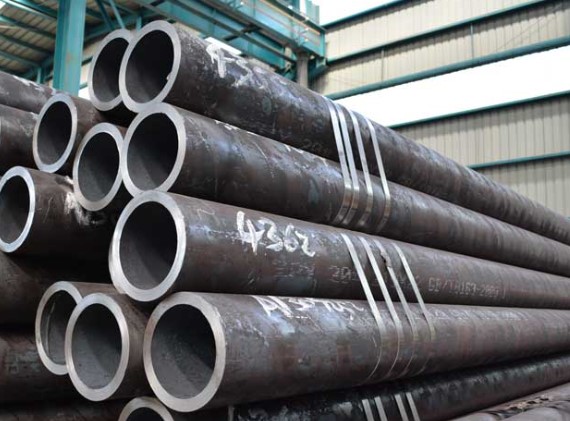
- Carbon Steel Pipes Composition and Production: Carbon steel pipes primarily consist of iron and carbon, with minor additions of manganese, silicon, and other elements. Depending on carbon content, carbon steel is classified into three types: low carbon steel (0.04%–0.30% carbon), medium carbon steel (0.30%–0.60% carbon), and high carbon steel (0.60%–2.00% carbon). The manufacturing process of carbon steel pipes is relatively straightforward. Manufacturers typically use high-quality carbon structural steels (such as grades 10, 20, 30, 35, 45) or low-alloy structural steels (like 16Mn, 5MnV) as raw materials. The production process involves forming steel billets or solid round bars into hollow tubes through piercing, followed by hot rolling, cold rolling, or cold drawing to achieve the final pipe dimensions. Welded steel pipes are made by rolling steel plates or strips into cylinders, followed by seam welding using resistance or submerged arc welding. Carbon steel pipes are categorized into seamless and welded types. Seamless pipes, formed by hot rolling or cold drawing, offer high strength and tightness. Welded pipes, produced by rolling and welding steel plates, have lower production costs.
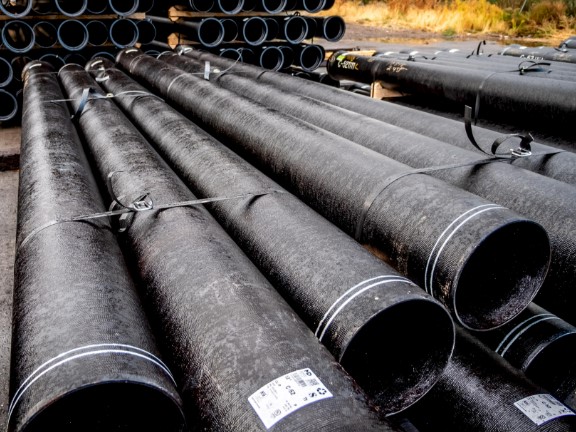
- Ductile Iron Pipes Composition and Complex Manufacturing: Ductile iron pipes are also made from cast iron, but with fundamental differences from ordinary cast iron. Magnesium, calcium, or rare earth metals are added as spheroidizing agents to the molten iron, transforming graphite from a flake form into spherical shapes. This structural change significantly enhances mechanical properties. The manufacturing process of ductile iron pipes is more complex. Molten iron of grade 18 or higher is combined with spheroidizing agents and cast at high speed using centrifugal ductile iron machines. The most advanced technique internationally is the water-cooled metal mold centrifugal casting method. Post-casting, the pipes undergo annealing, socket finishing, hydrostatic testing, cement lining on the interior, and asphalt coating on the exterior. Quality control requires spheroidization grades of 1–3 and a spheroidization rate of no less than 80%. The annealed microstructure, consisting of ferrite with minor pearlite, combines cast iron’s corrosion resistance with mechanical properties approaching those of steel.
After understanding material composition and manufacturing processes, it is crucial to compare the core mechanical properties that determine a pipe’s ability to withstand operating pressure and external loads. Mechanical performance is the primary technical factor in engineering material selection. The following section compares carbon steel and ductile iron pipes in terms of strength, toughness, and impact resistance, using specific data.
Tensile strength differs significantly between the two materials. High-carbon carbon steel pipes exhibit exceptional strength, with heat-treated grades reaching hardness levels above HRC 60. The tensile strength of ordinary carbon steel pipes varies widely, depending on carbon content and heat treatment.
Ductile iron pipes have a tensile strength of 400–600 MPa, far exceeding ordinary cast iron (120–250 MPa). This strength increase is due to the spherical graphite structure, which distributes stress evenly and prevents the matrix from being split by flake-like graphite.
Ductile iron pipes excel in toughness, with elongation rates of 10%–15%, compared to less than 1% in ordinary cast iron. Moreover, the impact toughness of ductile iron is 30%–50% higher than that of carbon steel, performing better under dynamic loads and vibration conditions.
Carbon steel’s toughness depends heavily on carbon content. Low-carbon steel is ductile, tough, and easy to weld, but increasing carbon content reduces both ductility and toughness. High-carbon steel has significantly poorer weldability. Additionally, carbon steel may undergo brittle fracture at low temperatures, which is a critical consideration for certain applications.
Ordinary cast iron has a damping coefficient 3–5 times higher than that of ductile iron, making it useful in scenarios requiring high vibration absorption. Ductile iron, however, balances damping with increased strength and toughness, achieving well-rounded mechanical performance.
- Carbon Steel Corrosion Protection: Carbon steel’s main weakness is poor corrosion resistance. Without protective measures, it rusts easily. Typical engineering protection includes surface coatings (epoxy, zinc plating) or cathodic protection. While effective, these measures increase both initial material costs and ongoing maintenance. Underground installations or humid environments require especially strict corrosion protection and regular inspections.
- Ductile Iron's Natural Corrosion Resistance: Ductile iron pipes inherit cast iron’s superior corrosion resistance, particularly in underground or harsh environments. Exterior asphalt coating and interior cement lining further enhance protection. This durability results in lower maintenance costs and longer service life. Despite a higher initial purchase price, ductile iron often proves more cost-effective over the entire lifecycle.
- Carbon Steel Pipe Processing: Carbon steel pipes are easy to cut, weld, bend, and machine, offering high flexibility in construction and later modifications. Welding is the primary connection method, benefiting from mature technology and high construction efficiency. Seamless carbon steel pipes can also use threaded or flange connections. These properties make carbon steel preferable for projects requiring complex piping arrangements.
- Ductile Iron Pipe Processing Limitations: Ductile iron’s higher hardness makes further processing more difficult. Pipes typically use socket or flange connections, and field modifications are less convenient. Connections rely mainly on rubber-ring-sealed sockets, which are simple and reliable but less flexible than welded joints. Projects requiring directional changes or future modifications may find ductile iron more challenging to work with.
- Initial Purchase Cost: Carbon steel pipes have a simpler manufacturing process and lower raw material costs, making them generally cheaper than ductile iron pipes of equivalent size. Ductile iron pipes involve complex processes—centrifugal casting, annealing, internal and external coatings—and include added spheroidizing agents, leading to higher initial prices.
- Lifecycle Cost Considerations: Economic evaluation must consider not only initial purchase cost but also installation, maintenance, and service life. Carbon steel, though inexpensive initially, requires protective treatment and regular maintenance, increasing total cost. Ductile iron’s corrosion resistance and longevity reduce maintenance expenses. In water supply and underground drainage projects, ductile iron’s service life can exceed 50 years, emphasizing its lifecycle cost advantage.
- Production Efficiency and Energy Consumption: From a manufacturing standpoint, ductile iron achieves a 20%–30% higher casting yield than carbon steel and consumes 15% less energy in machining. These advantages partly offset the complexity of its production process.
The preceding chapters analyzed material characteristics, mechanical properties, corrosion resistance, processing, and economic factors. These technical and economic parameters must be applied to real-world engineering scenarios to provide value. Different industries have varying demands for operating pressure, environmental conditions, and service life, requiring material selection aligned with these performance characteristics.
- Oil and Gas Transmission: High strength makes carbon steel ideal for high-pressure petroleum and natural gas pipelines. It meets the stringent requirements of high-pressure, high-temperature conditions.
- Industrial Piping Systems: Widely used in chemical plants, power stations, and refineries for steam, process, and high-pressure water pipelines.
- Building Structural Engineering: Used for bridges, high-rise buildings, tunnels, and fire protection piping, benefiting from high strength and ease of fabrication.
- Machinery Manufacturing: Employed in exhaust systems, frames, and chassis for automotive production, as well as in conveyors, pressure vessels, and hydraulic components.
- Municipal Water Supply: The preferred choice for water distribution, offering high cost-effectiveness. Common in DN80–DN2600 pipelines.
- Sewage Systems: Corrosion resistance and impact toughness make ductile iron ideal for underground wastewater pipelines, capable of withstanding soil pressure and surface loads.
- Natural Gas Pipelines: While carbon steel is more common, ductile iron finds use in medium- and low-pressure distribution networks.
- Industrial and Mining Water Supply: Used for water, gas, and oil transport in industrial and mining facilities, with reliable sealing and ease of installation.
- Operating Pressure: High-pressure systems (>1.6 MPa) favor carbon steel; medium- and low-pressure water systems suit ductile iron.
- Environmental Conditions: Underground, humid, or corrosive media favor ductile iron; above-ground, dry, indoor environments allow carbon steel.
- Temperature Conditions: High temperatures (>200°C) require carbon steel; both materials are suitable for normal or low temperatures, though carbon steel must consider low-temperature brittleness.
- Construction Conditions: Complex welding and routing favor carbon steel; long, straight installations prioritizing speed favor ductile iron.
- Lifecycle Costs: Short-term or budget-limited projects may opt for carbon steel; long-term infrastructure benefits from ductile iron’s lifecycle economy.
- Maintenance Capability: Projects with comprehensive maintenance systems can choose carbon steel; projects aiming to minimize maintenance benefit from ductile iron.
Both carbon steel and ductile iron pipes play critical roles in engineering projects, each with specific advantages. Carbon steel offers high strength, ease of fabrication, and low initial cost, making it ideal for high-pressure, high-temperature, and welded industrial applications. Ductile iron provides excellent corrosion resistance, toughness, longevity, and low maintenance costs, making it the ideal choice for municipal water and drainage systems.
Engineering material selection should not be based solely on unit price but should consider operational conditions, design requirements, construction environment, and full lifecycle costs. Understanding the characteristics and application range of both materials enables rational technical and economic decisions, ensuring project quality and long-term operational benefits.
For design and procurement departments, it is recommended to establish a materials database, recording actual usage and performance in projects, to inform future material selection. Additionally, staying updated on material technology developments allows the adoption of products and processes with superior performance and cost-effectiveness.
